Mac Market (for adaptive reuse)
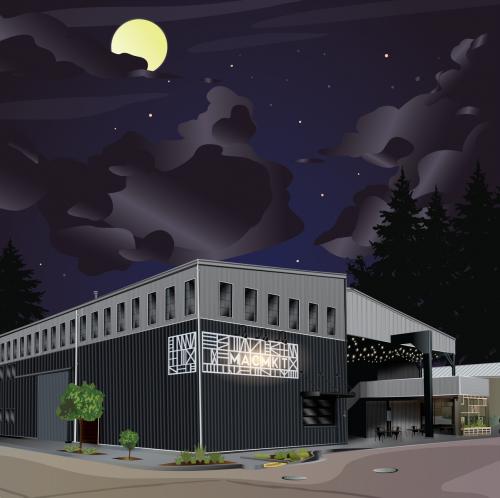
1140 NE Alpine Avenue | Built 1929
Located at the edge of McMinnville’s evolving Granary District, this sturdy 10,000-square-foot, brickand-
timber structure first rose in 1929 as a cherry-packing cannery. Each summer, wagons and early
trucks delivered red and golden, cherries, harvested from local family orchards. Inside, seasonal workers
(mostly women and teens) fed the fruit onto clattering belt conveyors that carried it past sorting
stations. Mechanical machinery punched pits from the cherries, while the sticky-sweet scent of juice
filled the air. Skilled hands worked quickly, filling crates with canned product destined for markets
across the region.
Also in 1929, bootmaker J.W. Huberd incorporated Huberd Shoe Grease in McMinnville. He perfected a
rugged beeswax-and-pine-tar formula, in 1921, to keep lumberjacks’ boots dry and supple in the wet
Pacific Northwest woods. By the 1950s, production moved into this warehouse. Employees stirred
batches of the formula in large vats and filled signature tins with the promise to keep feet “dry in the
woods.” A warm, aroma of pine tar lingered as crates shipped to loggers, farmers, and outdoorsmen
across the Pacific Northwest and beyond. After Huberd sold the business, the old warehouse served as a
sorting facility for recycling (1970s) before it became vacant.
Years later, Diana Riggs and her husband Todd Severson carefully and thoughtfully renovated the
structure. In October 2019, they opened Mac Market as a warm, eclectic community hub that features
restaurants, bakeries, local vendors and office spaces. The Lafayette Avenue side of the building still
features the original Huberd Shoe Grease sign. Inside, exposed beams and soaring high ceilings frame
laughter, the sizzle of pizza ovens, and the rich aroma of fresh coffee and baked goods. Mac Market
honors every layer of its past and serves as a great example of adaptive reuse of a historic warehouse in
McMinnville.

Contact Information
 Community Development Director:
Heather Richards
Planning Phone: 503-434-7311
Planning Email
Community Development Department
Community Development Center
231 NE Fifth Street
McMinnville, OR 97128
Hours of Operation
Monday- Friday: 7:30am - 5:30pm
Office Lobby Hours (Walk-In Availability)
Monday- Thursday: 7:30am - 5:30pm
Fridays: Closed
Appointments are available with CDC staff.
Connect With Us