Samuel Cozine House
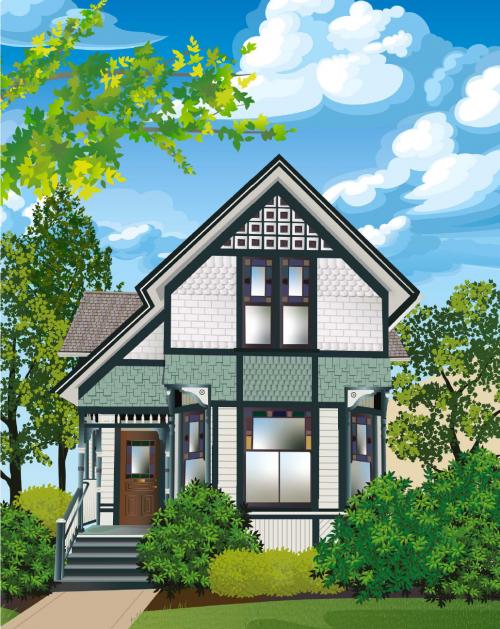
Home of the McMinnville Downtown Association
105 NE 3rd Street | Built 1892
Samuel and Mahala Cozine built this Queen Anne style Victorian structure as their home in
1892. The house features a cruciform plan with a cross-gabled roof and has a remarkable variety
of beautifully textured and colored siding. The ornate design was rare for a rural, Queen Anne
home in Oregon at the time of its construction. The windows, some of which are ringed with
stained glass, compliment these design features.
The Cozines came to McMinnville after arriving in Oregon with the 1843 wagon train and
claimed land south of Cozine Creek. Samuel operated a blacksmith shop on his property, and
later, in 1881, donated 20 acres of his land claim to McMinnville College (now Linfield
University). The educational institution completed construction of Pioneer Hall in 1883, near
the site of Cozine’s blacksmith shop. Purchasing the Third Street property in 1882 for $800, the
Cozines later constructed their new home, residing there until Samuel’s death in 1897 and
Mahala’s passing in 1908.
Serving as an apartment house by the 1940s, the structure fell into disrepair in subsequent years
and by the late 1980s needed major renovations. First Federal Savings & Loan had acquired the
home and property and, in 1988, gifted the title to the City of McMinnville. Lead by Friends of
the Cozine House founder, Marilyn Worrix, restoration plans brought grants, fundraising and
community donations totaling $150,000 to the project. The McMinnville Downtown
Association (MDA) took occupancy in 1991, and the restoration project, which took place in
1992-1993, saw completion the year of the home’s centennial anniversary. MDA continues its
work to promote and enhance McMinnville’s historic downtown as the economic, social and
cultural heart of the community. The Cozine House is a great example of community
preservation efforts and repurposing of pioneer-era architecture.
For images of the the property, and further details, check out the link below:

Contact Information
 Community Development Director:
Heather Richards
Planning Phone: 503-434-7311
Planning Email
Community Development Department
Community Development Center
231 NE Fifth Street
McMinnville, OR 97128
Hours of Operation
Monday- Friday: 7:30am - 5:30pm
Office Lobby Hours (Walk-In Availability)
Monday- Thursday: 7:30am - 5:30pm
Fridays: Closed
Appointments are available with CDC staff.
Connect With Us